Part 1: Sales Is a Skill, Not a Personality Trait: Four Steps to More Confident Sales Conversations
This is a subtitle for your new post

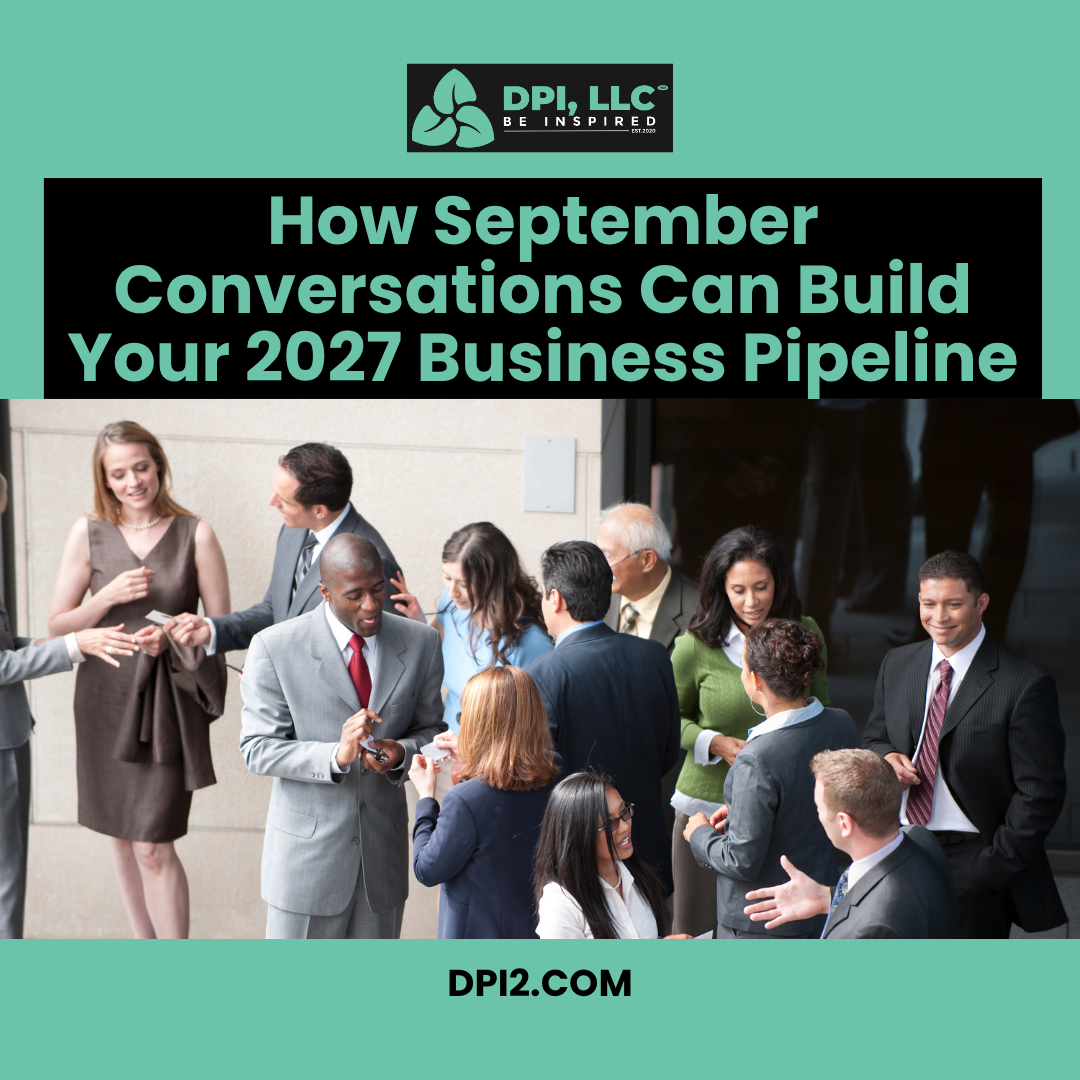
Have you ever walked away from a promising sales conversation wondering why the prospect never became a customer?
You had a productive meeting. They seemed interested. You sent the proposal. Then, silence.
For many small business owners, the challenge isn't finding potential customers. It's knowing how to move a conversation toward a confident buying decision.
During DPI LLC's October 7 webinar, Sales Conversations That Convert, Co-founders Roslyn Rice and Renee Scott shared a practical approach to relationship-based selling. This webinar was hosted by DPI LLC and Renee Scott Insurance.
Roslyn opened with a reminder:
"Selling is not a personality trait. It is a skill."
You don't have to be naturally outgoing, persuasive, or aggressive to succeed in sales. You need a process you understand and practice consistently.
The Four Phses of an Effective Sales Process
1. Mindset: Recognize That You Are the Expert
Before discussing pricing or proposals, recognize the value of your expertise.
Your prospective customer has a problem. You have knowledge, experience, or a solution that may help.
Renee Scott, who also owns Renee Scott Insurance, emphasized the importance of knowing your business.
"It's hard for you to sell what you don't really understand."
Know your products, understand the problems they solve, and be prepared to share credibility-building facts about your experience and results.
Try this: Identify three facts that demonstrate why customers should trust your expertise.
2. Prospecting: Build Relationships Before You Need the Sale
Prospecting isn't simply collecting business cards or sending connection requests.
It's identifying potential customers, understanding their needs, and building meaningful relationships.
Renee encouraged participants to examine their last five sales and ask how those customers found them.
Your best opportunities may come from referral partners, professional associations, networking events, or existing relationships.
She also emphasized that your message should communicate the customer's problem, not simply describe your services.
Instead of saying, "We provide administrative support," consider, "We help overwhelmed business owners reclaim time by managing the administrative work that keeps them from growing."
Try this: Review your last five customers. Identify where they came from and which relationships deserve more attention.
3. The Sales Conversation: Connect, Educate, and Validate
Once you're speaking with a qualified prospect, resist the temptation to immediately pitch your services.
Renee described three essential behaviors: connect with the person, educate them about their options, and validate the problem they're experiencing.
She also introduced a technique she calls disturbing the water, asking thoughtful questions that uncover problems the prospect may not have fully recognized.
For example, a leadership consultant might ask:
"What happens to your business when every important decision still has to come through you?"
That question encourages the business owner to consider the operational cost of their current approach.
Try this: Prepare three questions that help prospects better understand the consequences of leaving their problems unresolved.
4. Closing: Make the Next Step Clear
Closing doesn't have to be uncomfortable or pushy.
Roslyn shared that closing was an area she personally struggled with early in her entrepreneurial journey.
Her advice is straightforward: don't let a promising conversation end without a defined next step.
"Do not end a sales conversation without knowing what the next step is."
That next step might be scheduling a proposal review, confirming a start date, or arranging another conversation with the decision-maker.
Try this: Before ending your next sales meeting, offer two dates for the next conversation.
The Discipline That Connects All Four Phases: Follow-Up
Follow-up isn't an occasional activity. It supports the entire sales process.
Renee compared selling to dating: you don't build a relationship through one wonderful conversation followed by weeks of silence.
Consistent, thoughtful communication demonstrates that you remember the customer's needs and remain available to help.
Your Next Move
Sales improvement begins with intentional practice. Choose one phase of this framework that needs attention in your business and improve it this week.
In Part 2, we'll explore why prospects hesitate, how to respond to objections using the A.C.E. Framework, and how to follow up without feeling pushy.
Missed the webinar? Watch the Sales Conversations That Convert replay.
About DPI LLC: DPI LLC is a business consulting and leadership development firm co-founded by Roslyn Rice and Renee Scott. We help established small to mid size businesses strengthen operations, develop leaders, improve sales strategies, and build sustainable growth.
Ready to improve your sales process or develop your team? Schedule a consultation with DPI at dpi2.com.